Haputale
Central · Central Province
Haputale: The Ridge Where the Highlands Meet the Sea
Haputale is a small, mist-wrapped town on the southern rim of Sri Lanka's hill country, perched at around 1,430 metres on a knife-edge ridge in Uva Province where the highlands drop away toward the distant southern plains — and, on the clearest mornings, the sea itself. Famous for Lipton's Seat, the historic Dambatenne Tea Factory, the Tudor-style Adisham monastery, and some of the island's finest tea-country hiking, Haputale is the quieter, more authentic alternative to nearby Ella. It sits right on the reopened scenic railway, which makes it one of the highlands' most rewarding — and least crowded — stops.
We almost skipped Haputale, and we're still a little embarrassed about it. Everyone funnels into Ella; far fewer carry on one ridge further to this working tea town balanced on the edge of the world. Those who do are rewarded with the same tea, the same trains, and the same misty grandeur — but with the volume turned down, the prices kept honest, and a view that on a clear dawn runs all the way to the coast.
History
Haputale's story, like so much of the hill country, is written in tea — but here it carries one of the most famous names in the trade.
This was Lipton country. In the 1890s the Scottish grocer-turned-tycoon Sir Thomas Lipton bought up vast estates across these hills, and it was from a viewpoint above his Dambatenne estate that he is said to have surveyed his growing empire — the spot now known the world over as Lipton's Seat. He built the Dambatenne Tea Factory in 1890, and it still processes tea today, more than a century on.
A Town on the Line
Haputale grew up around the Colombo–Badulla railway, one of the great feats of early twentieth-century engineering, which threads this ridge through tunnels, bridges, and switchback loops. The station, perched dramatically on the spine of the hills, gave the tea estates their route to the world and gave the town its shape. To this day the railway is Haputale's backbone as much as its scenery.
The Planter's Bungalow
In 1931, another British planter — Sir Thomas Lester Villiers — built himself a grand Tudor-style country house nearby and named it Adisham. Modelled on an English manor and wrapped in cool-climate gardens, it passed after independence to the Benedictine order, who run it today as St Benedict's Monastery — a strange, lovely fragment of England marooned in the Sri Lankan clouds, famous now for its fruit preserves as much as its architecture.
What to See
Haputale's sights reward early risers and unhurried walkers. The best of them ask only that you beat the mist.
Lipton's Seat
The unmissable one. From this lofty lookout above the Dambatenne estate, the tea fields fall away in every direction and — on a clear morning — the view reportedly stretches across several provinces toward the southern coast. The catch is the mist, which almost always swallows the panorama by mid-morning.
Tip: Be at Lipton's Seat by 6:30–7 a.m. for any hope of the big view. By 9 or 10 a.m. you'll likely be standing in cloud. The classic approach is to hike up through the tea from the Dambatenne factory (around 7 km) — a beautiful walk in itself.
Dambatenne Tea Factory
Thomas Lipton's original 1890 factory is still a working mill, and its tour is among the most thorough in the country: withering, rolling, oxidising, drying, and grading, all explained end to end, with a cup at the finish. It sits below Lipton's Seat, so the two pair naturally into one morning.
Adisham Bungalow
A Benedictine monastery in an English manor house, surrounded by gardens and a forest reserve. You can wander selected rooms, the chapel, and the grounds — but note the restricted opening days (see prices below). Don't leave without the monastery's homemade jams, cordials, and fruit wines.
Diyaluma Falls
Southeast toward Koslanda plunges Diyaluma Falls, one of Sri Lanka's tallest cascades (variously ranked second or third), dropping in a long white ribbon down the escarpment. Adventurous visitors hike to the upper pools — a series of natural infinity pools perched at the lip of the falls — for one of the island's most jaw-dropping swims.
The Ridge, Thangamale & the Pekoe Trail
Haputale itself is a viewpoint. The ridge behind Adisham holds the Thangamale Bird Sanctuary, a quiet cloud-forest reserve laced with walking trails, and the town sits on a stretch of the celebrated long-distance Pekoe Trail through Sri Lanka's tea country. This is walking country — some of the best in the highlands.
Ticket Prices & Opening Hours
Haputale is refreshingly cheap, and much of its magic — the ridge views, the tea-estate walks — costs nothing at all.
- Lipton's Seat — a small fee, around Rs 500 at the final viewpoint gate near the top; you can reach most of the area for free and only pay for the last lookout. Confirm on arrival. Best at dawn; go early to beat the mist.
- Dambatenne Tea Factory — a guided tour is around Rs 1,000 per person including a tasting. Generally open daily, roughly 8 a.m.–12:30 p.m. and 2–5 p.m. On Sundays there's no processing, so there's far less to see.
- Adisham Bungalow (St Benedict's Monastery) — entry is around Rs 100 per person, but crucially it's usually open to the public only on weekends and public holidays, roughly 9 a.m.–4 p.m. Check the days before you go — a midweek visit may find the gates closed.
- Diyaluma Falls — free to visit; there's no ticket, though a local guide is wise for the climb to the upper pools.
- Thangamale Bird Sanctuary & ridge walks — generally free or a nominal fee; open in daylight.
Good to know: Haputale's paid sites run on cash and modest rupee prices, but hours (especially at Adisham and Dambatenne) shift with holidays and processing schedules — always confirm locally the day before.
Practical Tips
- Rise early — really early. Every headline view here, above all Lipton's Seat, belongs to the pre-dawn crowd. Mist is the enemy, and it wins by mid-morning.
- Time Adisham for a weekend or holiday. It's one of the few sights with genuinely restricted opening days; a midweek trip can mean a locked gate.
- Pack warm layers. At over 1,400 metres the mornings and evenings are cold and often damp — bring a fleece and a waterproof.
- Carry small cash in rupees. Entry fees, tuk-tuks, and the factory tour are all cash, and ATMs are limited.
- Sort tuk-tuk or bus for Dambatenne ahead. Buses from town pass the factory regularly and cheaply; a tuk-tuk return is a modest fixed fare — agree it first.
- Give Diyaluma a guide and dry-ish conditions. The upper pools are stunning but the climb is rough and the pools are only safe when the flow is manageable — never swim near the lip in high water.
- Stay a night or two. Haputale rewards the traveller who lingers past the day-tripping Ella crowds; sunrise and sunset from the ridge are the whole point.
How to Get There
Haputale sits on the southern edge of the hill country, on the main Colombo–Badulla railway and the A16 road, between Ella and the plains.
- By train: Haputale is a stop on one of the world's most scenic railways, and — good news — it lies on the reopened stretch of line (see the 2026 note below). The station is right in town; the ride to or from Ella is short and spectacular.
- By road from Ella: Around 1–1.5 hours by car or tuk-tuk, a gorgeous tea-country drive.
- By road from Nuwara Eliya: Roughly 2–2.5 hours through the high estates.
- Gateway to Horton Plains: The train stop at Ohiya, one station up the line, is the southern entrance to Horton Plains — making Haputale a handy, quiet base for World's End.
- Getting around: The town is small and walkable; tuk-tuks handle the outlying sights like Dambatenne, Lipton's Seat, and Adisham.
A 2026 Rail Note
Cyclone Ditwah damaged the upcountry railway in late 2025, but the scenic Nanu Oya–Haputale–Ella–Badulla section — the loveliest part of the line, and the part Haputale sits on — reopened in mid-2026 and is running on a special timetable. The Kandy–Nanu Oya stretch further up the line remained closed for repairs at the time of writing, so a through train all the way from Kandy may not be possible. Check the current status with Sri Lanka Railways before you travel, and note that road transport fills any gaps.
Why Haputale, When Everyone Goes to Ella?
It's a fair question, and the honest answer is: for the same magic with less of the crowd. Ella is wonderful, but it has become loud, busy, and thoroughly discovered. Haputale, one ridge south, offers the same tea-clad hills, the same historic trains, and arguably a grander panorama — plus Lipton's Seat and a working colonial tea factory — while remaining a real, unpolished Sri Lankan town.
Think of it this way: where the Cultural Triangle is about ancient stone and Nuwara Eliya is about colonial cool, Haputale is about the edge — the dramatic drop-off of the highlands, the sense of standing at the rim of the island. Do Ella for the Nine Arch Bridge and the café buzz; do Haputale for the silence, the sunrise, and the view that falls all the way to the sea.
Why Haputale Stays With You
What lingers is the edge of the place — literal and otherwise. The way the ground simply ends beyond Lipton's Seat and the whole southern half of the island seems to unroll below you. The cold bite of a 6 a.m. tuk-tuk ride up through silent tea. The absurd, wonderful sight of an English manor full of Benedictine monks selling strawberry jam in the clouds.
Haputale doesn't perform for you the way busier towns do. It simply sits on its ridge, wrapped in mist, and lets you find it — and that quiet, earned beauty is exactly why it stays. We came for one sunrise. We keep meaning to go back for another.
Frequently Asked Questions
Is Haputale worth visiting, or should I just go to Ella?
Both, ideally — they're barely an hour apart and complement each other. Haputale is quieter, cheaper, and more authentic, with Lipton's Seat, the Dambatenne tea factory, and grander ridge-top views; Ella is livelier, with the Nine Arch Bridge and a buzzing café scene. If you want the highlands without the crowds, Haputale is the pick — and an easy add-on to an Ella stay.
How much does it cost to visit Haputale's attractions?
Very little. Lipton's Seat charges around Rs 500 at the final viewpoint, the Dambatenne tea factory tour is around Rs 1,000, and Adisham Bungalow is about Rs 100. Diyaluma Falls and the ridge walks are free. Bring rupees in cash, as card payment isn't reliable.
What time should I go to Lipton's Seat?
As early as possible — ideally arriving by 6:30–7 a.m. The viewpoint almost always clouds over by mid-morning, so a pre-dawn start is essential for the famous panorama. The classic route is to hike up roughly 7 km through the tea from the Dambatenne Tea Factory, or drive most of the way and walk the final stretch.
Is the train to Haputale running in 2026?
Yes — Haputale sits on the scenic Nanu Oya–Ella–Badulla section, which reopened in mid-2026 after Cyclone Ditwah. However, the Kandy–Nanu Oya stretch higher up the line was still closed for repairs at the time of writing, so you may not be able to take a single through train from Kandy. Check Sri Lanka Railways for the current status and use road transport to bridge any gap.
When is the best time to visit Haputale?
The driest, clearest window is roughly December to March, which gives the best odds of an unclouded Lipton's Seat at dawn. Being high and south-facing, Haputale catches mist and showers in any season, so early mornings always beat afternoons for views. Pack warm layers whatever the month.
Can I visit Horton Plains from Haputale?
Yes. The train station at Ohiya, one stop up the line from Haputale, is the southern gateway to Horton Plains National Park and its famous World's End escarpment. This makes Haputale a quieter, cheaper base for the Horton Plains hike than Nuwara Eliya, though you'll still need an early start and arranged transport to the park gate.
Is Adisham Bungalow open every day?
No — this trips up many visitors. Adisham (St Benedict's Monastery) is generally open to the public only on weekends and public holidays, roughly 9 a.m. to 4 p.m., for a small entry fee of around Rs 100. Always confirm the opening days before planning a visit, as a midweek trip may find it closed.
Experiences & Activities
Discover unique experiences and memorable activities in Haputale.
Sunrise at Lipton's Seat
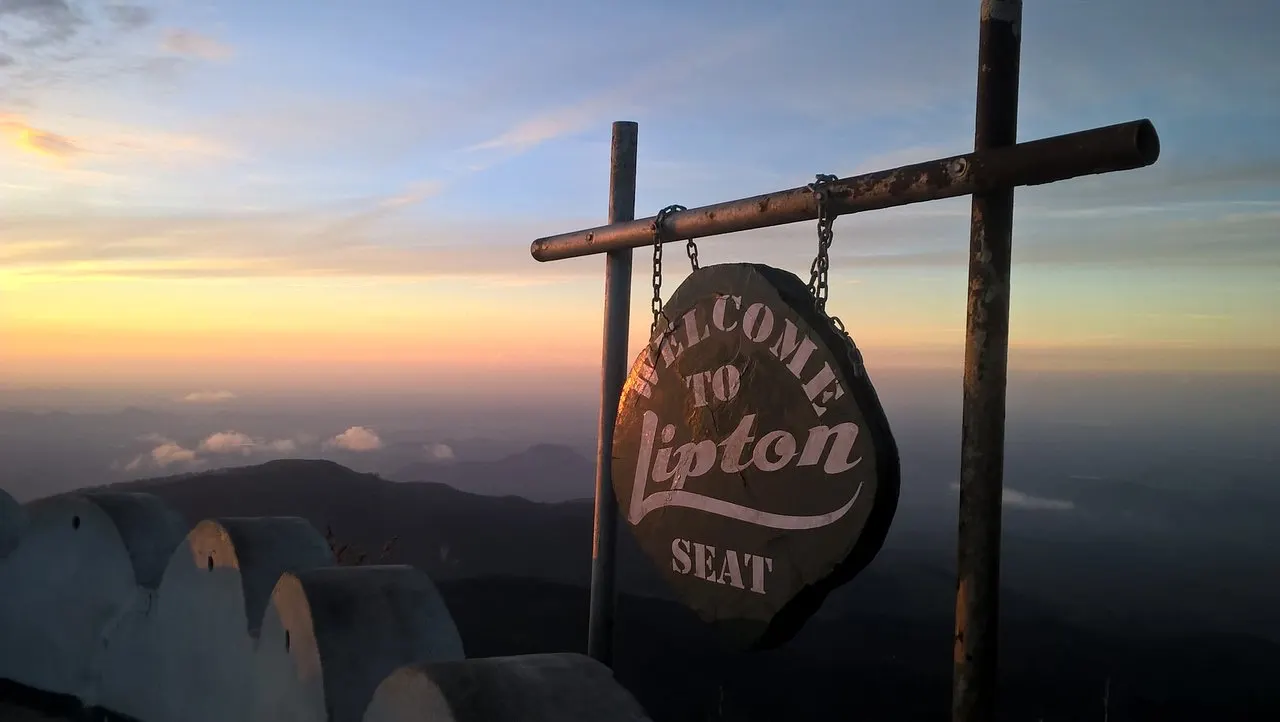
Ride or hike up before dawn to the lookout where Sir Thomas Lipton once surveyed his tea empire, and watch the sun break over a sea of hills that — on the clearest mornings — rolls all the way toward the southern coast. Purists walk the roughly 7 km up through the tea from the Dambatenne factory; everyone else drives most of the way. *Seasonal note:* the odds of a clear, mist-free view are best in the drier months (roughly December to March), but an early start matters more than the calendar.
Dambatenne Tea Factory Tour
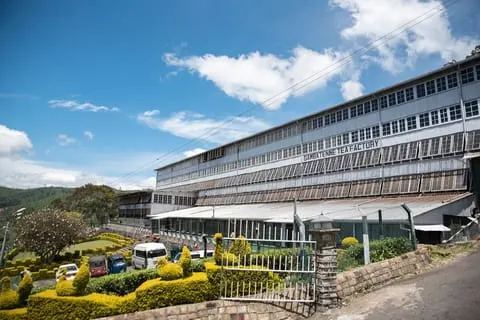
Step inside Thomas Lipton's original 1890 tea factory, still humming with the sorting and grading of Ceylon's finest, for one of the most complete tea tours in the country. A guide walks you from wilting leaf to graded black tea, and you finish with a fresh cup at the source. Pair it with Lipton's Seat, which rises directly above the estate. *Note:* come on a weekday for full processing — Sundays are quiet, with little to see.
The Upper Pools of Diyaluma Falls
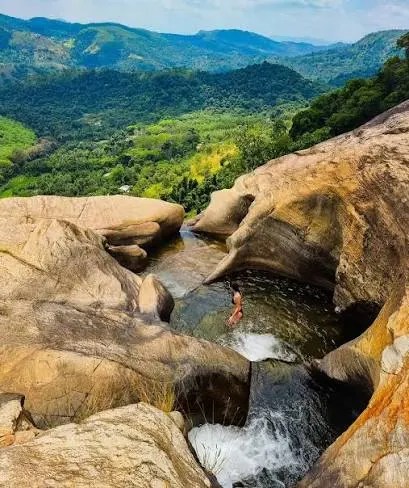
One of Sri Lanka's most spectacular adventures: a rough climb to the top of Diyaluma, one of the island's tallest waterfalls, where a chain of natural rock pools sits at the very lip of the drop, spilling into open air. Swimming in these "infinity pools" above the valley is unforgettable — with the strong caveat that a local guide and sensible water levels are essential. *Seasonal note:* the falls are fullest just after the wetter months; the upper pools are safest to swim when the flow is lower, so tread very carefully in high water.

Adisham Bungalow & Gardens
Wander a Tudor-style English manor turned Benedictine monastery, set amid cool-climate gardens on the edge of a forest reserve. Explore the preserved rooms, the chapel, and the grounds, then stock up on the monks' famous homemade jams, cordials, and fruit wines. *Note:* it's generally open only on weekends and public holidays, so time your visit accordingly.

A Day Trip to Bambarakanda Falls
Not far from Haputale hides **Bambarakanda,** the tallest waterfall in all of Sri Lanka, plunging over 260 metres down a forested escarpment near Kalupahana. Admire it from the base, or take on the steeper trails around it for a proper adventure amid pine forest and highland scenery. *Seasonal note:* it's at its thunderous best during and just after the wetter months and can thin to a trickle in the dry season.
Wandering Haputale Town & Market
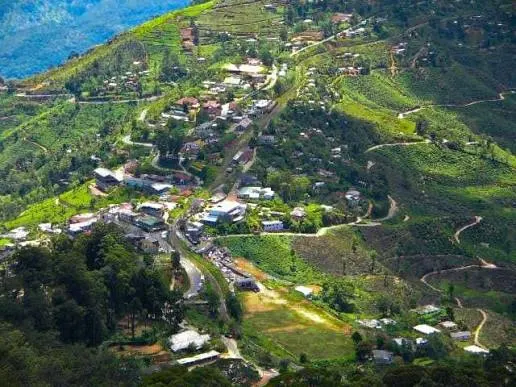
Skip the polished tourist trail and simply walk the town: a busy little railway junction of tea shops, roadside snack stalls, and a produce market spilling with highland vegetables and fruit. It's unpretentious, genuinely local, and one of the friendliest places in the hills to share a cup of tea with the people who grow it. A perfect low-key way to end a day of big views.
Nearby Destinations

Kandy
Central Province
# Kandy: Sri Lanka's Hill Capital of Culture and Calm Nestled among misty mountains and tea-covered hills, Kandy is the cultural heart of Sri Lanka. Home to the sacred Temple of the Tooth Relic, a shimmering lake, and lush botanical gardens, this UNESCO World Heritage city offers a perfect blend of spirituality, history, and natural beauty. --- ## Getting There Kandy is roughly 3 hours from Colombo by car, or a scenic 3–4 hour train ride through emerald paddy fields and hillside villages. - By train: The Colombo–Kandy line is one of the most scenic rail journeys in the country - By car or taxi: Fastest option via the Colombo–Kandy Expressway - By bus: Budget-friendly, frequent departures from Colombo > Book train tickets in advance, especially for the observation carriage — it fills up fast during peak season. --- ## What to See Kandy's charm lies in its mix of sacred sites and natural escapes. 1. Temple of the Sacred Tooth Relic (Sri Dalada Maligawa) — the city's spiritual centerpiece 2. Kandy Lake — a peaceful walking spot right in the city center 3. Royal Botanical Gardens, Peradeniya — home to over 4,000 species of plants 4. Udawattakele Forest Reserve — a quiet jungle escape just above the city 5. Kandy Cultural Triangle — nearby ancient cities like Sigiriya and Dambulla > Visit the Temple of the Tooth during the evening puja (offering ceremony) for a truly memorable cultural experience. --- ## Culture and Experiences Kandy is best known for the *Esala Perahera*, a spectacular ten-day festival featuring drummers, dancers, and beautifully adorned elephants parading through the streets. - Watch a traditional Kandyan dance performance in the evening - Explore local markets for handmade crafts, batik, and spices - Try authentic Sri Lankan curry and rice at a family-run restaurant - Visit a working tea factory in the surrounding hills --- ## Where to Stay Kandy offers everything from boutique hillside villas to budget guesthouses. - Luxury: Hotels overlooking the lake with panoramic mountain views - Mid-range: Boutique stays near the temple, walkable to major sights - Budget: Guesthouses in the surrounding hills, often with home-cooked meals --- ## Best Time to Visit The dry season from *December to April* offers the most pleasant weather for sightseeing. However, visiting during the *Esala Perahera* festival (July or August) is a once-in-a-lifetime cultural experience, even with larger crowds. --- ## Final Tips - Dress modestly when visiting temples — shoulders and knees should be covered - Remove shoes and hats before entering temple grounds - Carry a light jacket, as evenings in the hills can be cool - [Learn more about Sri Lankan Cultural Triangle sites](https://example.com/) Kandy isn't just a destination — it's a slower, gentler rhythm of Sri Lanka, where sacred traditions and natural beauty exist side by side.
Riverstone
Central Province
# Riverstone: Where the Mountains Breathe Mist Riverstone (often spelled Riverston) is a windswept stretch of the Knuckles Mountain Range in Sri Lanka's Matale District, roughly 30 kilometres from Matale town at around 1,265 metres above sea level. Its centrepiece is Pitawala Pathana, a rare montane grassland that ends abruptly at Mini World's End — a sheer 300-metre drop reached by an easy 800-metre walk across the plain. Entry to the grassland costs around LKR 975 (about USD $3) for foreign visitors, the area is open daily from roughly 6:00 AM to 6:00 PM, and the best months for clear mountain views are December to April. With waterfalls, a mist-wrapped viewpoint tower and endemic species found nowhere else on Earth, Riverstone is the hill country at its wildest and least crowded. We always tell people the same thing about Riverstone: roll your window down on the drive up. Long before you reach the ticket office, the air changes — warm lowland heat giving way to something cool and clean, mist spilling across the road, the whole world hushed except for the wind. This is a place you feel on your skin before you see it, and by the time you're standing at the edge of the plain with the Knuckles rolling away into cloud, you understand why locals guard it so fondly. --- ## History Riverstone sits inside the **Knuckles Conservation Forest**, part of the range the British named for its resemblance to a clenched fist and that Sri Lankans call *Dumbara Kanduvetiya* — the "misty mountains." In 2010 the Knuckles range was inscribed, alongside Horton Plains and the Peak Wilderness, as part of the **Central Highlands of Sri Lanka UNESCO World Heritage Site**, recognised for extraordinary endemism and a climate that shifts from soaking wet to near-arid within a few kilometres. The colonial-era planters who came for the cool climate are said to have felt at home in these hills, and the anglicised name stuck. But the land itself is far older than any estate. **Pitawala Pathana** — *patana* being the Sinhala word for the natural upland grasslands of the hill country — is an ancient plain of turf grown thin over a sloping slab of rock, a habitat the IUCN describes as a rare grassland type that evolved for these exact conditions and exists nowhere else in the country. > The Knuckles range packs the climate of half of Sri Lanka into one massif — cloud forest, wet grassland and dry scrub, sometimes on opposite sides of the same ridge. --- ## What to See ### Mini World's End at Pitawala Pathana The star of Riverstone. A gentle **800-metre walk** across the velvety grassland brings you to *Punchi Lokanthaya* — "Mini World's End" — where the plateau simply falls away in a vertical drop of around 300 metres. Two rocky outcrops let you stand right at the lip, with the northern foothills of the Knuckles unrolling to the horizon. On a clear morning the view is immense; when the cloud rushes up the escarpment, you're left staring into pure white. ### The Riverston Gap & Viewpoint Tower Before the grassland, the road crests at the **Riverston Gap**, one of the windiest, most exposed points on the whole route. A short climb leads to a **viewpoint tower** that delivers a 360-degree sweep of the central hills. It's the kind of spot where you plant your feet, lean into the gale and grin — and it's especially magical at sunrise, before the day's haze rolls in. ### Sera Ella & the Waterfalls The range's hydrology feeds a string of cascades. **Sera Ella** is the beauty — a wide, umbrella-shaped fall with a *dry cave tucked behind the curtain of water*, where you can sit on the rocks and feel the cold spray. **Bambarakiri Ella** is dramatic but demands respect (see our safety note below), and the crystal-cold **Thelgamu Oya** offers bracing pools for a dip. *Waterfalls run fullest between November and March.* ### The Grassland's Endemic Life Look closer and Pitawala Pathana reveals its rarities. It shelters two species found only in Sri Lanka — a grass called *Patan Ala* and a frog named after the Knuckles itself, the *Dumbara galpara* toad — alongside insect-eating sundew plants, hornbills, eagles and a wealth of reptiles and amphibians. This is a place to walk slowly and tread lightly. --- ## Ticket Prices & Opening Hours - **Foreign visitors:** around **LKR 975 (about USD $3)** per person for Pitawala Pathana / Mini World's End - **Local visitors:** a nominal fee, roughly **LKR 60** (some sources quote less) - **Where you pay:** at the ticket office near the car park on the Riverston road; a valid **Knuckles Range ticket** is required to enter the grassland - **Opening hours:** open **daily, roughly 6:00 AM to 6:00 PM** - **Time needed:** the walk to Mini World's End and back takes about **45–60 minutes** at a relaxed pace > Prices and ticketing arrangements here change more often than at the big cultural sites, and some operators now bundle entry with a compulsory guide. Treat these figures as a guide and confirm the current rate at the office before you set out — carry small **LKR cash**, as there's nowhere to pay by card. --- ## Practical Tips - **Come early.** Mornings are cooler, mistier and far clearer; by midday the haze builds and the magic thins. Sunrise at the Riverston tower is worth the alarm. - **Dress for wind and weather.** It can be genuinely cold and ferociously windy up top, and mist can turn to drizzle in minutes. Bring a light jacket even on a sunny lowland day. - **Respect Bambarakiri Ella.** Bathing is prohibited after multiple drownings, and the hanging bridge between the upper and lower falls is broken and unsafe to cross — admire it from the bank only. - **Mind the cliff edge.** There are no railings at Mini World's End, the wind is strong and the rock can be slick — keep well back from the lip, especially with children. - **Wear proper shoes** and, in the wet season, pack **leech socks** — the damp grassland and forest trails attract them. - **Bring your own food and water.** Facilities are basic: toilets and a small canteen near the entrance, but little else. Carry out all your rubbish. - **Check the road and your vehicle.** The Matale–Rattota approach is winding with hairpin bends; a tuk-tuk manages it, but go slow. - **Pair it with a hill-country or Cultural Triangle loop.** Riverstone slots naturally into a trip that also takes in [Kandy](/kandy), the Aluvihara cave temple near Matale, or a run north to [Dambulla](/dambulla) and [Sigiriya](/sigiriya). --- ## How to Get There Riverstone lies about **30 kilometres from Matale** along the scenic, hairpin-laced Matale–Rattota–Girandurukotte road, with **Rattota** the gateway town before the climb. - **From Matale:** roughly 1 to 1.5 hours by car or tuk-tuk over about 30 km of winding road - **From [Kandy](/kandy):** about 2.5 hours (~75 km), the most common base for day-trippers - **From [Dambulla](/dambulla):** around 1.5–2 hours, so it pairs with a Cultural Triangle itinerary - **From Colombo:** a long 4–5 hour drive (~160 km); best done as an overnight rather than a day trip - **By public transport:** take a bus or train to Matale, then arrange a tuk-tuk or taxi up to Riverston — there's no direct service to the grassland itself The simplest option is a **day trip from Kandy or Matale** with a driver who knows the road, or an overnight at one of the small eco-lodges near the range. --- ## Riverstone vs Horton Plains: Two Mini World's Ends Sri Lanka has more than one "World's End," and travellers often ask how Riverstone's compares to the famous one at [Horton Plains](/horton-plains). The honest answer is that they're cut from the same cloth but feel completely different. - **Crowds:** Horton Plains draws big tour convoys and early-morning queues. Riverstone is *gloriously quiet* — on a weekday you may have the plain almost to yourself. - **Cost & effort:** Horton Plains carries a steep national-park fee and a 9 km loop. Riverstone asks a few dollars and an easy 800-metre stroll. - **The edge itself:** at Horton Plains you view World's End from a fenced platform; at Riverstone's Mini World's End you can stand right at the unguarded lip — thrilling, and a reason for real caution. What makes Riverstone special isn't that it out-does the big names — it's that it stays *undiscovered*. This is the hill country before the tour buses found it, and that rarity is the whole point. --- ## Why Riverstone Stays With You Some places impress you; Riverstone gets under your skin. It's the wind, mostly — the way it never stops, the way it pushes clouds across the grass so fast that the whole plain seems to breathe. You walk out to the edge of the world, the mist parts for a heartbeat to reveal a hundred kilometres of blue-green mountains, and then it closes again like a held secret. We think what lingers is the *emptiness*, in the best sense. No railings, no crowds, no gift shops — just grass and rock and sky, and the sense that you've slipped through to a Sri Lanka that most visitors never see. You come down the mountain wind-scoured and a little exhilarated, already half-planning the next trip up. That's Riverstone's quiet magic: it doesn't perform for you, and somehow that's exactly why it stays. --- ## Frequently Asked Questions ### How much does it cost to visit Riverstone and Mini World's End? Foreign visitors pay around **LKR 975 (roughly USD $3)** per person for Pitawala Pathana, where Mini World's End is located; locals pay a small nominal fee. Ticketing and prices change fairly often and some operators bundle a guide, so confirm the current rate at the office and carry LKR cash. ### What is the best time of year to visit Riverstone? For **clear views and comfortable hiking**, aim for the dry season, roughly **December to April** (January to March is ideal). The **May–August monsoon** brings heavier mist, lush greenery and the fullest waterfalls, but tougher, leech-prone trails. Whatever the season, go **early in the morning** before the afternoon haze. ### How long is the walk to Mini World's End? It's an easy **800-metre walk** each way across the grassland, and the whole visit — out to the viewpoint and back — usually takes about **45 to 60 minutes**, longer if you linger for photos. ### Is Riverstone better than Horton Plains? They're similar in spirit but different in feel. [Horton Plains](/horton-plains) has the famous World's End but bigger crowds, a higher fee and a longer loop. Riverstone is **cheaper, quieter and easier to reach on a short walk** — though its cliff edge is unfenced, so it demands more care. ### How do I get to Riverstone from Kandy? It's about a **2.5-hour drive (~75 km)** from Kandy, usually via Matale and Rattota along a winding mountain road. Most visitors come as a **day trip with a driver**, or take a bus/train to Matale and hire a tuk-tuk or taxi from there. ### Is Riverstone safe to visit? Generally yes, with sensible care. Keep **well back from the unguarded cliff edge** at Mini World's End, don't bathe at **Bambarakiri Ella** (bathing is banned after several drownings and its hanging bridge is broken), and drive the winding roads slowly. Bring warm layers for the wind and cold. ### Can you see waterfalls at Riverstone? Yes — the area is dotted with cascades, the loveliest being **Sera Ella**, known for the dry cave behind its curtain of water. Waterfalls are at their most powerful between **November and March**, after the wetter months have fed the streams.
Ella
Central
# Ella: Where Sri Lanka's Hills Learn to Float Ella is a small hill-country town in Sri Lanka's Uva Province, perched at around 1,000 metres where endless tea gardens give way to a dramatic notch in the mountains known as Ella Gap. Famous for the Nine Arch Bridge, gentle hikes up Little Adam's Peak and Ella Rock, tumbling waterfalls, and one of the world's most beautiful train journeys, Ella is the highlands' most-loved base — cool, green, and refreshingly walkable. Most of its headline sights are free to visit, which makes it one of the best-value stops on any Sri Lanka itinerary. We came to Ella for one photograph and stayed for three days. That is the pattern here. You arrive planning to tick off a bridge, and you leave having learned the name of the woman who pours your morning tea, having watched mist pour over a ridge like something spilled, having missed a train on purpose. Ella doesn't rush. Neither, eventually, do you. --- ## History Ella is young by Sri Lankan standards. While the island's [Cultural Triangle](/sigiriya-travel-guide) was raising rock fortresses and cave temples over a thousand years ago, these hills stayed quiet, forested, and largely unpeopled until the nineteenth century. *The tea came first.* When leaf blight destroyed Ceylon's coffee estates in the 1870s and 80s, British planters replanted the Uva highlands with tea, and the cool, misty slopes around Ella turned out to be some of the finest growing country on earth. Uva tea — bright, brisk, faintly menthol from the seasonal winds — still carries a reputation among connoisseurs today. The estates brought roads, bungalows, and eventually a railway. ### The Bridge in the Sky That railway gave Ella its most famous landmark. The **Nine Arch Bridge** was raised in the early twentieth century as the line pushed east toward Badulla, and it was built almost entirely of stone, brick, and cement — very little steel. The much-loved local story holds that steel was scarce during the First World War, so the crews improvised with what the hills could offer. A Ceylonese builder often named in the telling, P.K. Appuhami, is remembered as the man who made it stand. Whether or not every detail is history or folklore, the result is undeniable: a graceful, curving span of nine arches, floating between two tunnels in a sea of green. ### Ravana's Kingdom Ella also lives in far older story. In the *Ramayana*, the demon-king Ravana is said to have carried the princess Sita to Lanka and hidden her in the caves and waterfalls of these very hills. **Ravana Falls** and **Ravana Cave** take their names from that epic, and for many Hindu pilgrims the landscape around Ella is not just scenic — it is scripture made solid. ## What to See Ella's great gift is that almost everything worth seeing is a walk, not a queue. Here is where we'd point you first. ### Nine Arch Bridge The one you came for, and it earns the hype. Set the alarm early — arrive by 7 a.m. and you'll have the viaduct nearly to yourself, the light soft and gold, the valley still cool. When a blue train curls slowly across the arches, the whole crowd holds its breath at once. You can walk the trackside path down from Ella town or take the jungle trail; either way, the last stretch is a lovely 15–20 minute descent through tea and forest. > *Tip:* Train times over the bridge shift constantly, and even more so under the post-cyclone special timetable. Don't chase a fixed schedule — ask your guesthouse the night before, then get there early and be patient. The bridge is worth a wait even when the train is late. ### Little Adam's Peak The friendliest big view in Sri Lanka. Named for its resemblance to the far taller sacred [Adam's Peak](/adams-peak-travel-guide), this is a gentle roughly two-hour round trip from town, most of it an easy stroll through tea gardens before a short climb to a ridge of viewpoints. From the top you look straight across Ella Gap, with Ella Rock brooding opposite. Go for sunrise if you can; go anyway if you can't. ### Ella Rock The serious sibling. Ella Rock is a steeper, longer half-day hike (allow 4–5 hours round trip) that follows the railway line before turning up through eucalyptus and tea to a cliff-edge summit. The trail is famously easy to lose — hand-painted signs, forks, and "helpful" locals who materialise to guide you for a tip. We'd suggest a proper guide or a downloaded offline map, an early start, and no plans afterward. ### Ravana Falls & Ravana Cave A few kilometres south of town, **Ravana Falls** spills in wide ribbons right beside the road — no hike, no ticket, just pull over and look (skip the swimming when the water is high and fast). Nearby, **Ravana Cave** rewards a stiff climb of several hundred steps with a modest cavern steeped in legend and a broad view; most visitors come for the myth and the effort more than the cave itself. ### Tea Country You are standing in it, so drink it in properly. A working tea factory such as the Uva Halpewatte estate above town runs guided tours through the whole journey from plucked leaf to graded black tea, ending — of course — with a tasting and a view. It's the best hour you'll spend learning what all this green is actually *for.* ## Ticket Prices & Opening Hours Here is the happy headline: **Ella is astonishingly cheap.** Its signature sights are free, and the paid ones cost pocket change. - *Ella town, viewpoints & Ella Gap* — **Free.** - *Nine Arch Bridge* — **Free.** It's a live railway bridge, not a gated attraction; open access in daylight, best very early morning. - *Little Adam's Peak* — **Free.** Open trail, dawn to dusk. - *Ella Rock* — **Free** (you may choose to tip a guide). Open trail; start early. - *Ravana Falls (roadside view)* — **Free**, viewable any time. - *Ravana Cave* — a small fee, around **Rs 250** for foreigners (roughly USD 1); open daylight hours, about 6 a.m.–6 p.m. *Confirm on arrival, as local-site fees change often.* - *Tea factory tour* — a modest guided-tour fee including tasting; factories such as Halpewatte typically run tours from about **8:30 a.m. to late afternoon.** *Confirm the current price and last-tour time on site.* ### The Train The famous journey is a bargain if you buy from the railway itself. Official government fares are tiny — *around USD 2 for third class and around USD 4 for second class* on the standard service — though prices should always be confirmed at the station, and reserved second/first-class observation seats and special tourist trains (the Ella Odyssey and Calypso services) cost considerably more. > *Be warned:* agents and touts buy up the scenic-route tickets and resell them for €15–25 or more. Reserved seats open exactly 30 days before travel and vanish within minutes, so book early and buy from official channels where you can. ### An Important 2026 Update Cyclone Ditwah tore through the hill country in late November 2025 and badly damaged the upcountry railway. The good news: the spectacular **Nanu Oya–Ella–Badulla stretch — the section that crosses the Nine Arch Bridge — reopened for passenger service in mid-2026** and is running again on a special timetable. The catch: the **Kandy end of the line was still under repair** at the time of writing, so the classic all-the-way Kandy-to-Ella train may not be running as one seamless ride. Full restoration is targeted for late 2026, but deadlines have slipped before — *always check the current status with Sri Lanka Railways or your guesthouse before you plan around a specific train.* ## Practical Tips - *Stay at least two nights.* Ella is a place to slow down; one night is a photo, two is a visit, three is a small love affair. - *Set early alarms.* The good light, the empty trails, and the clear views all belong to sunrise. By mid-morning the crowds and the cloud both roll in. - *Pack layers.* At 1,000 metres the mornings and evenings are genuinely cool, and rain can arrive without warning even in "dry" months. - *Wear real shoes.* Trails get slick and stepped, especially after rain — flip-flops will betray you on Ella Rock. - *Carry small cash.* Café bills, cave fees, and tuk-tuks are easiest in rupees; ATMs exist in town but can be temperamental. - *Book train seats ~30 days ahead* through official channels, and treat any "sold out, but I have tickets" offer with healthy suspicion. - *Hire a guide for Ella Rock* if you're at all unsure — the navigation, not the climb, is the hard part. - *Respect the railway.* People walk the tracks for photos, but trains are quiet and quick — keep children close and step well clear. ## How to Get There Ella sits in the southeast of the hill country and is a natural link between the highlands and the south coast. - *By train:* The obvious romantic choice, health of the line permitting (see the 2026 update above). The Nanu Oya–Ella–Badulla run is one of the world's great rail journeys; from [Nuwara Eliya](/nuwara-eliya-travel-guide), Nanu Oya is the nearest station. - *By road from [Kandy](/kandy-travel-guide):* Roughly 5–6 hours by car or van through winding tea country — slow but gorgeous, and a reliable fallback when the train is disrupted. - *By road from the south coast:* Around 3–4 hours up from the Mirissa/Tangalle area, often paired with a safari at Udawalawe or [Yala National Park](/yala-national-park-travel-guide) on the way. - *Getting around town:* Ella itself is walkable, and tuk-tuks fill every other need. Many travellers hire one for a half-day loop of the bridge, cave, falls, and a tea factory. ## Why Ella Beats "Just One More Temple" If you've spent days among the ancient stones of [Sigiriya](/sigiriya-travel-guide), [Dambulla](/dambulla-travel-guide), and [Polonnaruwa](/polonnaruwa-travel-guide), Ella is the exhale your itinerary needs. Where the Cultural Triangle asks you to look *up* — at frescoes, at summits, at fifteen centuries of history — Ella asks you to look *out,* across tea and cloud, and to move at the pace of a walking morning. It also pairs beautifully with its highland neighbours. A classic loop threads [Kandy](/kandy-travel-guide) into [Nuwara Eliya](/nuwara-eliya-travel-guide) for tea and the misty plateau of [Horton Plains](/horton-plains-travel-guide), then down to Ella to slow the whole trip's heartbeat before the coast. Few places give you world-class scenery, gentle hikes, and near-zero entrance fees all at once. Ella does. ## Why Ella Stays With You Long after the photos are filed away, it isn't the Nine Arch Bridge you remember most sharply. It's the *quiet* around it — the way the valley holds its breath before a train, the smell of woodsmoke and wet tea at dawn, the particular blue of the hills going dark from your seat by an open carriage door. Ella is not a monument you conquer and leave. It's a rhythm you slip into and are reluctant to leave behind. We came for one photograph. We think about the mornings. ## Frequently Asked Questions ### Is Ella worth visiting, and how many days do you need? Yes — for many travellers Ella is a highlight of the whole island. Two nights is the sweet spot: enough for the Nine Arch Bridge and Little Adam's Peak at sunrise, a waterfall or tea factory, and one longer hike like Ella Rock. Add a third night if you want to genuinely relax rather than tick boxes. ### How much does it cost to visit Ella's attractions? Very little. Ella's most famous sights — the Nine Arch Bridge, Little Adam's Peak, Ella Rock, and the roadside Ravana Falls view — are all free. Ravana Cave charges a small fee (around Rs 250 for foreigners), and a guided tea-factory tour costs a modest amount including a tasting. The scenic train, bought officially, is only a few US dollars in standard classes. ### Is the Kandy to Ella train running in 2026? Partly. Cyclone Ditwah damaged the upcountry line in late 2025. The scenic Nanu Oya–Ella–Badulla section that crosses the Nine Arch Bridge reopened in mid-2026, but the Kandy end of the line was still under repair at the time of writing, so a single seamless Kandy-to-Ella ride may not be available. Full restoration is expected by late 2026 — check the current status with Sri Lanka Railways before you plan. ### What is the best time of day to see the Nine Arch Bridge? Early morning, ideally by 7 a.m. The light is soft and golden, the temperature is cool, and the crowds haven't arrived. Train crossing-times shift often — and more so under the current special timetable — so ask your guesthouse the night before and get there early rather than chasing a fixed time. ### Little Adam's Peak or Ella Rock — which hike should I choose? If you want a short, easy, family-friendly walk with a huge payoff, choose Little Adam's Peak (about two hours round trip). If you're a confident hiker after something longer and quieter, choose Ella Rock (a steeper 4–5 hour round trip on a trail that's easy to lose). With time and legs for it, do both — on separate mornings. ### What's the best time of year to visit Ella? Ella's driest, clearest window is roughly **December to March**, with generally good conditions stretching into the shoulder months. Being in the hills, Ella can catch cloud and showers year-round, so early starts beat afternoon mist in any season. Pack for cool mornings whenever you come. ### How do I get from Nuwara Eliya or the south coast to Ella? From Nuwara Eliya, the nearest railhead is Nanu Oya, from which the scenic line runs down to Ella (line status permitting), or it's a few hours by road. From the south coast around Mirissa or Tangalle, Ella is roughly 3–4 hours by car, often combined with a safari at Udawalawe or Yala en route.