Pasikudah
Eastern · Eastern Province
Pasikudah: The Bay Where You Can Wade Out to Sea
Pasikudah is a resort beach town on Sri Lanka's east coast, about 35 km north of Batticaloa and roughly 300 km from Colombo, famous for having one of the longest stretches of shallow, calm water in the world — a crescent bay where you can wade out a hundred metres or more over warm, waist-deep, turquoise sea. Its gentle, current-free water makes it arguably the most family-friendly beach in Sri Lanka, lined with comfortable resorts and paired with the quieter, near-empty sands of Kalkudah next door. The season runs roughly May to September, when the east coast is calm, dry and gloriously sunny while the famous south is under cloud.
History
Pasikudah — its name is often taken to mean "green-algae bay" — was for centuries a quiet, sheltered fishing bay in the predominantly Tamil district of Batticaloa. Its shallow, reef-protected water was a gift to local fishermen long before it was a gift to holidaymakers.
The bay's modern history is bound up with hardship and renewal. The 2004 Indian Ocean tsunami struck this coast with devastating force, wrecking the once-popular resorts of neighbouring Kalkudah, and the long civil conflict kept the whole east away from travellers for decades.
After the war ended in 2009, the government developed Pasikudah as a flagship tourism zone, and around fourteen resorts rose along the bay — turning a remote fishing shore into the most developed beach on the east coast.
Today Pasikudah is a relaxed, resort-lined destination that has kept its calm, shallow magic, with the old village and its fishing boats still lending local colour at the southern end of the bay.
What to See
Pasikudah Bay
The star of the show is the bay itself — a wide, crescent sweep of soft golden sand and astonishingly shallow, clear water. You can walk out well over a hundred metres and still be only waist-deep, floating in warm, calm, current-free sea. It's a paradise for families, children and non-swimmers, and the east-coast sunrises over the water are spectacular.
The water is so shallow and gentle that Pasikudah is one of the safest swimming beaches in the country — but it also means real depth for swimming laps is a long walk out.
Kalkudah Beach
Just a short drive north lies Kalkudah, Pasikudah's wilder twin — a long, undeveloped beach of sand, palms and sea with almost no hotels or restaurants. Once a thriving resort before the tsunami, it now offers pure, quiet escapism and a glimpse of east-coast fishing life. The reef offshore shelters the shore, though the waves here can be less predictable.
Snorkelling, Diving & Wrecks
Offshore reefs bring snorkelling and diving within reach, with tropical fish, coral and the occasional turtle or reef shark. Serious divers come for the wrecks — the WWII aircraft carrier HMS Hermes, the SS British Sergeant and the Boiler wreck lie within reach of east-coast dive operators.
Elephant Rock
At one end of the bay sits Elephant Rock, a natural formation said to resemble an elephant resting by the sea. It's a scenic landmark and a pleasant short walk, and a lovely spot to watch the light change over the water.
Water Sports & Sailing
In season, the calm bay becomes a playground for kayaking, stand-up paddleboarding, jet skiing, banana-boat rides, windsurfing and sailing. A sunset catamaran cruise across the flat, glassy water is one of the loveliest ways to end a day here.
Batticaloa's Lagoon & Town
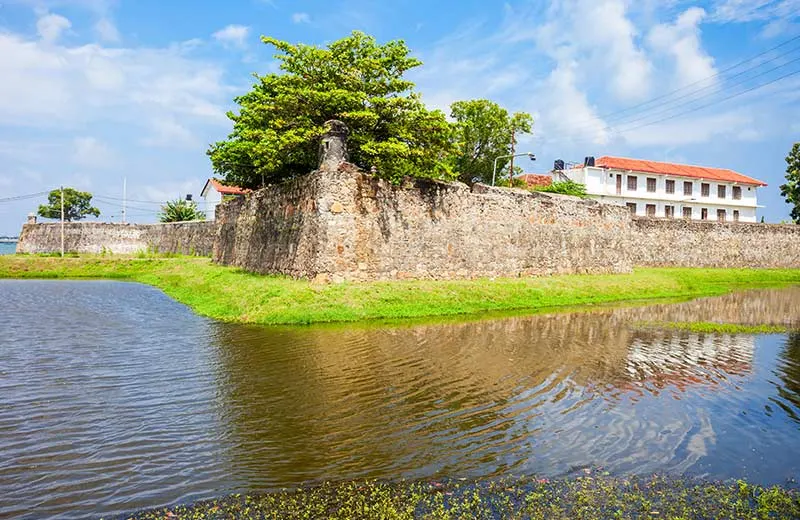
South of the bay, the city of Batticaloa rewards a day trip with its vast lagoon — famous for the local legend of "singing fish," a mysterious music heard over still water on quiet nights — plus the historic Kallady Bridge, a Dutch-era fort and a British lighthouse from 1913.
Ticket Prices & Opening Hours
Pasikudah's beach is free and open; the paid experiences are water sports, snorkelling and diving. All figures were checked this year; water-sport and boat prices vary by operator and are negotiable, so agree the rate before you start.
- Pasikudah & Kalkudah beaches: free to access, with no entrance gate. Sunrise is the magic hour.
- Water sports (kayak, SUP, jet ski, banana boat, sailing): priced per operator and per activity, mostly run through the resorts and beach operators in the May–September season.
- Snorkelling & diving trips: priced per operator; there's reportedly no formal reserve conservation fee at the Pasikudah reef. Confirm the price and inclusions first, and choose operators who don't anchor on the coral.
- Batticaloa lagoon boat trips: a modest per-person or per-boat fee — agree it with the boatman beforehand.
Season & timing: the east coast is at its best from May to September (with March/April and October as shoulders), when the sea is calm, shallow and clear. November to February brings rougher seas and grey skies, and many water-sport operators wind down — though the beach itself is still walkable and beautiful. Come for sunrise, when the bay is at its most magical and least crowded.
Practical Tips
- Travel in the northern summer. Pasikudah shines May to September — the opposite of the south coast. Off-season, the sea turns rough and operators close.
- It's a wading beach, not a lap-swimming one. The joy here is the vast, safe shallows; if you want deep water for swimming, expect a long walk out.
- Choose water-sport operators with care. Agree prices upfront, and favour snorkel and dive operators who protect the reef rather than anchoring on it.
- Come for the sunrise. Being on the east coast, Pasikudah delivers glorious dawn colours right over the water — set an early alarm.
- Visit Kalkudah for solitude. Twenty minutes north gives you a near-empty beach; bring your own water and shade, as facilities are minimal.
- Bring cash in rupees. ATMs are mainly in Valaichchenai and Batticaloa; carry enough for activities and meals outside the resorts.
- Combine with the Cultural Triangle. Polonnaruwa is only about 2.5 hours inland and pairs beautifully with beach time.
- Watch weekends. The beach can get busy with local visitors on weekends and public holidays.
How to Get There
Pasikudah sits on the east coast between Trincomalee to the north and Batticaloa to the south, roughly 282–300 km from Colombo.
- By car or private transfer: the most flexible option. From Colombo it's around 6 hours, often via the scenic Cultural Triangle route through Habarana and Polonnaruwa.
- By train: the Colombo–Batticaloa line stops at Valaichchenai, the nearest station, about a 15-minute tuk-tuk from the beach; the journey takes roughly 7–8 hours, including a useful overnight service.
- By air: domestic flights serve Batticaloa Airport (about a 45-minute drive away), cutting the trip from Colombo to around an hour.
- From nearby coasts: Trincomalee is about 2 hours north and Arugam Bay around 3 hours south, making an east-coast chain easy to plan.
Pasikudah vs. Kalkudah: Which Bay?
These twin east-coast beaches sit minutes apart but feel worlds apart, and knowing the difference helps you pick your base — or better, enjoy both.
- Pasikudah: the developed, resort-lined bay with the famous ultra-shallow water, water sports and full facilities — ideal for families and comfort-seekers.
- Kalkudah: the wild, undeveloped twin — a long, quiet, near-empty beach for pure escapism, with few amenities.
Stay in Pasikudah for ease, activities and safe shallow swimming; slip over to Kalkudah when you want solitude and a desert-island feeling. And because the season here mirrors the south, Pasikudah is your calm-sea choice in the northern summer, when Mirissa and the south coast turn stormy.
Why Pasikudah Stays With You
Pasikudah stays with you as a feeling of weightless calm — the surreal pleasure of walking far out into a warm, glassy sea that never rises past your waist, the dawn sky flushing pink over the water, the hush of a bay with no crashing surf. It is Sri Lanka's most effortless beach, the one where nothing is asked of you but to float.
You leave remembering how safe and unhurried it all felt: children laughing in water they couldn't sink in, the long shallow shimmer stretching to the horizon, and the quiet knowledge that you'd found the east coast at its gentlest. That serene, shallow magic is what calls people back.
Frequently Asked Questions
Why is Pasikudah beach so shallow?
Pasikudah sits in a sheltered, reef-protected crescent bay with an exceptionally gentle underwater slope, so the water stays shallow and calm for a very long way out — often 100 to 200 metres. This makes it one of the safest swimming beaches in Sri Lanka, ideal for families, children and non-swimmers.
What is the best time to visit Pasikudah?
The best months are May to September (with March/April and October as shoulders), when the east coast is dry and the sea is calm and clear. This is the opposite of Sri Lanka's south coast. November to February brings rougher seas and cloudier skies, and many water-sport operators pause.
Is Pasikudah good for families?
Exceptionally. Its warm, shallow, current-free water is arguably the most family-friendly sea in Sri Lanka, safe for young children and non-swimmers to wade and play in. Add resort facilities, gentle water sports and calm conditions, and it's a top pick for a relaxed family beach holiday.
Pasikudah or Kalkudah — which is better?
Pasikudah is developed and resort-lined, with the famous shallow water, water sports and full facilities. Kalkudah is quiet, wild and near-empty, for pure escapism with few amenities. They're only about 20 minutes apart, so many visitors stay in Pasikudah and visit Kalkudah for a peaceful change of scene.
How do you get to Pasikudah from Colombo?
Pasikudah is about 300 km from Colombo — roughly 6 hours by car, often via the Cultural Triangle. You can also take the Colombo–Batticaloa train to Valaichchenai station (about 15 minutes from the beach) or a domestic flight to Batticaloa Airport, around a 45-minute drive away.
Can you snorkel or dive at Pasikudah?
Yes. Offshore reefs offer snorkelling and diving in the May–September season, with tropical fish and coral, though some coral is degraded. Experienced divers can explore WWII wrecks including HMS Hermes nearby. Agree prices in advance and choose responsible operators who protect the reef.
Can you combine Pasikudah with Polonnaruwa or Trincomalee?
Yes. Polonnaruwa in the Cultural Triangle is only about 2.5 hours inland, and Trincomalee is roughly 2 hours up the coast, so Pasikudah pairs easily with a Cultural Triangle tour or a wider east-coast beach trip.
Experiences & Activities
Discover unique experiences and memorable activities in Pasikudah.
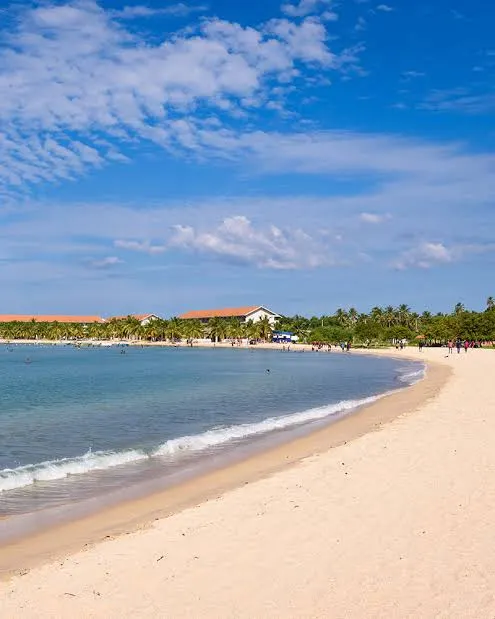
Wade & Swim the Shallow Bay
Pasikudah's signature experience needs nothing but a swimsuit: walk far out into the warm, glassy bay and float in water that stays waist-deep for a hundred metres or more. It's utterly safe, calm and current-free — the reason families and non-swimmers adore it. *Seasonal:* calmest and clearest May–September; the sea turns rough November–February.
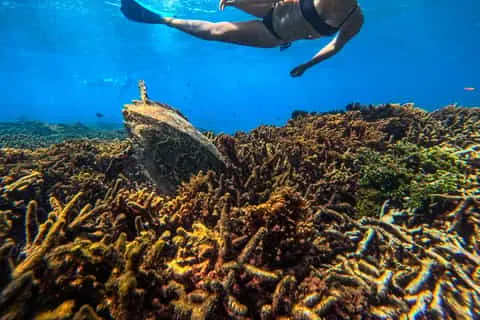
Snorkel the Offshore Reef
Take a short boat trip to the reefs off the bay, where tropical fish and coral — and sometimes a turtle or reef shark — await. Some coral is degraded, so choose a responsible operator who won't anchor on the reef, and agree the price before you go. *Seasonal:* best May–September, when the water is calm and clear; go early morning.
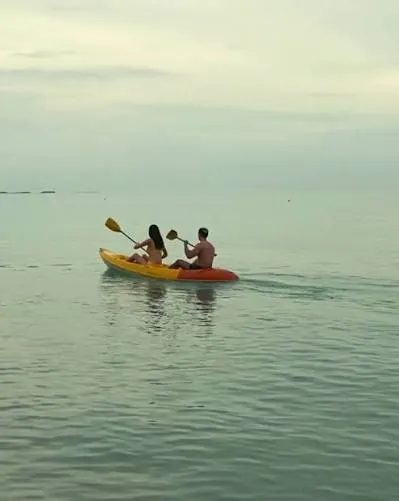
Kayak or Paddleboard the Bay
The flat, sheltered water of Pasikudah is ideal for a gentle kayak or stand-up paddleboard, gliding over the shallows with the shore and palms as your backdrop. Many resorts supply gear, making it an easy, low-key way to get out on the water. *Seasonal:* best in the calm May–September months.
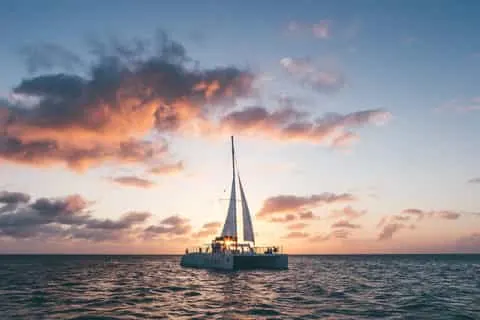
Sunset Catamaran Cruise in pasikuda
Glide out across the glassy bay on a catamaran or small sailboat as the sky softens, a serene and romantic way to close a Pasikudah day. Some resorts and operators offer sunset sailings with drinks on board. *Seasonal:* runs in the calm-sea season, roughly May–September.
Batticaloa Lagoon & the Singing Fish
Head south to the vast Batticaloa lagoon, tied to the enchanting local legend of "singing fish" — a mysterious music some say rises over still water on quiet nights. Take a boat trip, cross the historic Kallady Bridge, and explore the old Dutch fort and lighthouse. A gentle, atmospheric day of culture and history.
Nearby Destinations

Arugam Bay
Eastern Province
# Arugam Bay: Where the East Coast Catches Its Perfect Wave Arugam Bay is a laid-back surf town on Sri Lanka's southeast coast, about 320 km from Colombo near the town of Pottuvil, long celebrated as the island's premier surfing destination for its long, peeling right-hand point breaks. Its season is the mirror image of the south coast — roughly May to October — so when the southwest is stormy, Arugam Bay is glassy and golden. Beyond the waves it's a gateway to elephant-filled lagoons and the wild, bird-rich Kumana National Park, wrapped in a barefoot, sun-bleached calm that keeps travellers here far longer than they planned. ## History For most of its history, Arugam Bay was a quiet fishing settlement on a remote and beautiful stretch of the east coast, part of a region with deep Tamil and Muslim roots centred on nearby Pottuvil. Life ran on the rhythm of the sea and the monsoon, far from the island's busier southwest. Everything changed when travelling surfers discovered the bay's remarkable point break in the 1960s and 70s. Word spread slowly through the global surf community, and Arugam Bay gained an almost mythical status — a wave worth crossing the world for, at the end of a very long road. > Arugam Bay's *Main Point* is regarded as one of the best right-hand point breaks in the world, and it put this once-remote fishing village on the international surf map. The town's modern story has been one of resilience. The east coast suffered terribly in Sri Lanka's long civil conflict, and the 2004 Indian Ocean tsunami devastated Arugam Bay, destroying much of the settlement and taking many lives. The community rebuilt, tourism returned after the war's end in 2009, and today the bay balances its surf-town fame with the enduring life of the fishing and farming villages around it. ## What to See ### Main Point The wave that made Arugam Bay famous — a long, peeling right-hander that wraps around the headland and can offer rides of several hundred metres on a good day. It's best for confident intermediate and advanced surfers, and at dawn, before the crowds and the wind, it can be magic. Even non-surfers gather on the rocks to watch. ### The Beginner Breaks Arugam Bay is one of the best places in Asia to *learn* to surf, with a cluster of gentle, forgiving waves and a huge, friendly instruction scene. - *Baby Point* — right beside Main Point, with small, soft waves perfect for first-timers. - *Whiskey Point* — about 14 km north, a mellow, long wave with a laid-back beach-shack scene. - *Peanut Farm* — a sandy-bottomed bay south of town with a beginner section and a punchier point for improvers. ### Elephant Rock & Pottuvil Point Two more scenic breaks that double as beautiful spots to simply *be*. *Elephant Rock*, a short ride south, rewards an early climb with a sweeping view over an empty golden beach. *Pottuvil Point*, to the north, is a long, gentle right-hander and a classic longboarding wave, with wild elephants sometimes seen in the scrub behind the beach. ### Pottuvil Lagoon Safari Just north of town, a mangrove-fringed lagoon shelters elephants, crocodiles, monkeys and a wealth of birdlife. A quiet boat safari here at sunrise or sunset is one of the loveliest, most low-key wildlife experiences on the coast — a gentle counterpoint to the surf. ### Kumana National Park About 22 km southwest, reached via Okanda, *Kumana* (once known as Yala East) is a wilder, far quieter alternative to famous [Yala National Park](/yala-national-park-travel-guide). It's a renowned bird sanctuary of mangrove swamps and lagoons, and also home to elephants, crocodiles and even leopards — with a fraction of the crowds. ### The Beach & the Town Beyond the surf, Arugam Bay is a single sandy main road of guesthouses, yoga decks, smoothie bowls and beach bars, running on flip-flop time. It's the kind of place where days blur pleasantly into one another and strangers become friends over a sunset drink. ## Ticket Prices & Opening Hours The beach and every surf point are free. The paid experiences are lessons, board hire and the wildlife safaris. All figures were checked this year; **prices vary by operator and season and should be confirmed on the ground.** - *Surf lessons:* around **$15–25 (roughly Rs 3,000–5,000)** for a 2-hour group lesson including board and rash guard; private lessons from about **$30–50**. - *Board hire:* around **$5–15 (Rs 600–1,500) per day**, depending on whether you take a soft-top, funboard or shortboard. - *Surf camps:* week-long packages with lessons and accommodation typically **$300–800**. - *Kumana National Park:* foreigner entry **around US$10–12 per adult** plus a per-group service charge and VAT; a shared half-day safari from Arugam Bay including jeep, guide and park fees commonly runs **around Rs 30,000–45,000 total** for a small group. Confirm inclusions when booking. - *Pottuvil Lagoon safari:* a modest per-person fee for roughly a 1.5-hour boat trip — agree the price with your operator first. **Season & timing:** the surf season runs **May to October**, at its best from **June to September**. Dawn and late afternoon bring the cleanest waves and the gentlest wind. Off-season (November–April) is wet, windy and choppy on this coast — a few beginner-friendly days appear, but most surf schools and guesthouses wind down. Kumana's safari access is best in the dry months, with peak birding roughly April–July. ## Practical Tips - *Come in season.* For real surf, travel between May and October; outside that window many businesses close and the waves turn messy. - *Surf at dawn.* The wind is lightest and the waves cleanest early morning and again late afternoon — plan your day around the tides and the light. - *Beginners have their own breaks.* Don't paddle out at Main Point on day one; start at Baby Point, Whiskey Point or Peanut Farm with a lesson. - *Bring cash.* ATMs are in Pottuvil, about five minutes away, and can run dry in peak season — carry enough rupees. - *Respect the wildlife.* Elephants roam the lagoons and roadsides; never approach them, and keep a safe distance on lagoon safaris. - *Pack strong sun protection.* The east-coast sun is fierce; reef-safe zinc, a rash guard and a hat are essentials in and out of the water. - *Choose surf schools carefully.* Favour small groups and ISA-certified or experienced local instructors. - *Slow down.* Arugam Bay rewards a longer, unhurried stay far more than a quick tick-box visit. ## How to Get There Arugam Bay sits on the southeast coast beside the town of Pottuvil, roughly 320 km from Colombo — further off the standard circuit than most beach towns, which is part of its charm. - *By car or private van:* the most practical option. From Colombo it's around **6 to 7 hours** via the Southern Expressway to Hambantota, then northeast through Kataragama; a private van typically costs Rs 15,000–18,000. - *From Ella:* one of Sri Lanka's most scenic drives — about **150 km and 3 to 4 hours** east through Wellawaya and Monaragala, descending from tea hills to dry-zone plains. Many travellers pair [Ella](/ella-travel-guide) with Arugam Bay for exactly this reason. - *By bus:* public buses run from Colombo to Pottuvil (with at least one change), taking 8–10 hours; from Pottuvil it's a five-minute tuk-tuk to the bay. - *By train + road:* there's no direct train to Arugam Bay; the nearest railheads are distant, so most people finish the journey by road. ## Chasing the Season: Arugam Bay vs the South Coast Sri Lanka's greatest surf secret is its two opposite seasons, and knowing which coast is "on" is the key to a good trip. - *Arugam Bay (east coast):* best **May to October**, when offshore winds and clean swells light up the point breaks. - *The south coast — [Mirissa](/mirissa-travel-guide), [Weligama](/weligama-travel-guide), Hiriketiya:* best **November to April**, when Arugam Bay is stormy and the southwest turns glassy. So the island offers world-class surf almost year-round — you simply follow the season to the right coast. If you're visiting in the northern summer, Arugam Bay is where the waves will be; in winter, head south. --- ## Why Arugam Bay Stays With You Arugam Bay stays with you as a feeling of time slowing down. It's the pre-dawn paddle-out with the sky still pink, the long walk back up a single sandy road, the elephant glimpsed at the lagoon's edge, the easy friendships struck over a sunset beer. Few places wear their remoteness so lightly or so well. You come for a wave and stay for the rhythm — surf, eat, nap, surf again, watch the sun drop into the palms. Long after you leave, it's that unhurried, salt-and-sun simplicity you'll find yourself missing. ## Frequently Asked Questions ### Is Arugam Bay good for beginner surfers? Yes — it's one of the best places in Sri Lanka to learn. While famous Main Point suits experienced surfers, breaks like Baby Point, Whiskey Point and Peanut Farm offer gentle, forgiving waves, and the town has a huge, affordable surf-school scene with equipment included. ### What is the best time to surf in Arugam Bay? The surf season runs May to October, with the most consistent waves from June to September and peak conditions in July and August. Outside this window the east coast is wet and choppy, so plan a surf trip for the dry season. ### How much do surf lessons cost in Arugam Bay? A two-hour group lesson including board and rash guard costs around $15–25 (roughly Rs 3,000–5,000), and private lessons run about $30–50. Board hire alone is around $5–15 per day. Prices vary by school, so shop around. ### How do you get from Ella to Arugam Bay? It's about 150 km and takes 3 to 4 hours by car, driving east through Wellawaya and Monaragala. The route is one of Sri Lanka's most scenic, descending from tea-covered hills to dry-zone savannah, and is a favourite pairing with a hill-country stay in [Ella](/ella-travel-guide). ### Is Arugam Bay worth visiting if you don't surf? Absolutely. Beyond the waves you can take a Pottuvil Lagoon safari to see elephants and birds, visit the quiet, wildlife-rich Kumana National Park, climb Elephant Rock for the view, or simply enjoy the laid-back beach-town vibe, yoga and sunsets. ### How far is Arugam Bay from Colombo? Arugam Bay is roughly 320 km from Colombo on the southeast coast — about 6 to 7 hours by private van or car, or 8 to 10 hours by public bus with a change. There's no direct train, so the final leg is by road. ### Can you see elephants near Arugam Bay? Yes. Wild elephants inhabit the lagoons and national parks around Arugam Bay and are often seen on Pottuvil Lagoon safaris and in Kumana National Park. Always keep a safe distance and never approach or feed them.
Trincomalee
Eastern Province
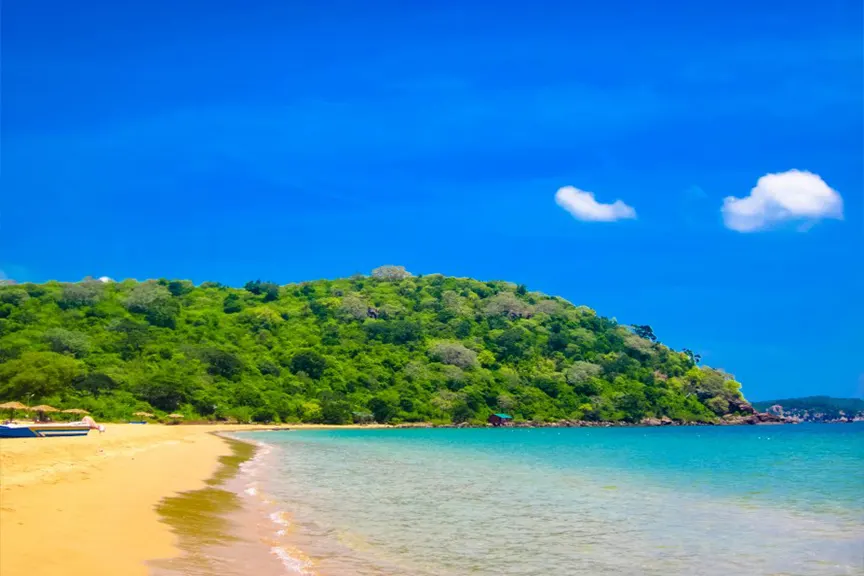
# Trincomalee: Sri Lanka's Serene Northeast Shore Nilaveli and Uppuveli are two neighbouring beach villages on Sri Lanka's northeast coast, just north of the historic harbour city of Trincomalee, prized for their long white-sand beaches, warm calm water and the coral reefs of Pigeon Island National Park just offshore. Their season is the mirror image of the south coast — roughly May to September — so when the southwest is stormy, this shore is glassy, golden and gloriously uncrowded. Uppuveli is the livelier, more walkable of the pair; Nilaveli, a little further north, is longer, whiter and quieter, and the launch point for snorkelling with reef sharks and turtles. ## History This stretch of coast has always lived in the shadow — and the shelter — of Trincomalee, home to one of the finest natural deep-water harbours in the world. That harbour made Trincomalee a prize fought over for centuries by Portuguese, Dutch, French and British fleets, and a strategic naval base into the Second World War, when the aircraft carrier HMS *Hermes* was sunk offshore in 1942. Around this contested port, Nilaveli and Uppuveli remained quiet Tamil fishing villages, their days shaped by the sea and the seasons. The late 20th century was hard on the whole east coast: the long civil conflict kept travellers away, and the 2004 tsunami struck this shore with terrible force. > Peace after 2009 reopened the northeast, and Nilaveli and Uppuveli have since emerged as a calmer, less-developed alternative to Sri Lanka's busy south — beaches with room to breathe. Today the villages balance a growing but still low-key tourism with their fishing roots, offering some of the island's most beautiful and least crowded sand. ## What to See ### Uppuveli Beach The more sociable of the twins, about 6 km north of Trincomalee, Uppuveli is a clean, wide, golden-sand beach backed by a walkable strip of restaurants, bars, dive shops and guesthouses. It's the natural base for whale-watching boats and has an easy, welcoming atmosphere. The southern end near the war cemetery draws local visitors; the north is quieter. ### Nilaveli Beach A little further north, *Nilaveli* is longer, whiter and more tranquil — a broad sweep of pale sand and shallow, warm, turquoise water made for slow days and long swims. It feels wonderfully unhurried, and it's the departure point for boats to Pigeon Island. ### Pigeon Island National Park Just a short boat ride off Nilaveli lies one of only two marine national parks in Sri Lanka, and one of its finest snorkelling sites. Around its coral reefs you can drift among tropical fish, sea turtles, rays and — thrillingly — harmless *blacktip reef sharks* in the shallows. > Buy your ticket yourself at the Wildlife Department hut on Nilaveli beach — you don't need a broker. Go early, wear a rash guard, and never touch or stand on the coral. ### Whale & Dolphin Watching Off Trincomalee, the continental shelf brings *blue whales* and *sperm whales* within about 6–8 nautical miles of shore, roughly a 30-minute boat ride. Pods of spinner dolphins are common too. It's a quieter, less crowded alternative to the south coast's whale scene, and its season falls in the northern summer. ### Wreck Diving The waters off Trincomalee hide some of Asia's great wreck dives, including the WWII aircraft carrier HMS *Hermes* and the SS *British Sergeant*. PADI dive centres in Uppuveli and Nilaveli run trips for certified divers and courses for beginners, exploring reefs and encrusted wrecks alive with fish. ### Trincomalee's Temples & Hot Wells A short ride south, Trincomalee rewards a day of sightseeing: the clifftop *Koneswaram* Hindu temple on Swami Rock within Fort Frederick, the sacred *Kanniya Hot Wells*, the moving Commonwealth War Cemetery, and the Navy-kept calm of Marble Beach. ## Ticket Prices & Opening Hours The beaches are free; the paid experiences are Pigeon Island, boats, whale trips and dives. All figures were checked this year; **prices vary and should be confirmed on the ground.** - *Pigeon Island National Park entry:* foreigner **around US$10 per adult and US$5 per child**, plus a per-group service charge (around US$8) and VAT. Buy at the Wildlife Department hut on Nilaveli beach, open **daily from 9 a.m.** - *Boat to Pigeon Island:* around **Rs 15,000 per 6–8-seat boat return**, split across your group, sometimes including a short dolphin detour. Snorkel gear is extra (around 1,000 LKR per head). - *Whale & dolphin watching:* shared trips roughly **€22–50 per person** depending on the operator and boat; private charters around **$80–150**. Boats depart about **5:45–6:00 a.m.** and return by around 9 a.m. - *Diving:* priced per operator and dive; expect wreck and reef dives through the PADI centres in Uppuveli and Nilaveli. **Season & timing:** the northeast's dry season runs **May to September** (with April and October as shoulders), when the sea is calm and clear. Whale watching runs roughly **March/April to September**, peaking **June to August**, with July often the calmest. Pigeon Island and diving are best in these same months; November to March brings the northeast monsoon, rough seas and many closures. ## Practical Tips - *Come in the northern summer.* This coast is at its best May to September — the opposite of the south. Visiting in winter means rough seas and closed operators. - *Choose your base.* Stay in Uppuveli for restaurants, bars and easy whale-boat access; choose Nilaveli for a longer, quieter, whiter beach. - *Buy Pigeon Island tickets yourself.* Purchase at the Wildlife Department hut on Nilaveli beach and arrange your boat at the boat-owners' hut nearby — no brokers required. - *Protect the reef.* Never touch, stand on or chase coral, turtles or reef sharks, and use reef-safe sunscreen; Pigeon Island is a fragile, recovering marine park. - *Take seasickness precautions.* Swell can build mid-morning even on calm days — take a tablet an hour or two before a whale trip. - *Go early.* Snorkel Pigeon Island and set out for whales soon after dawn, before wind and crowds pick up. - *Carry cash in rupees.* ATMs are mainly in Trincomalee town; bring enough for tickets, boats and meals. - *Pair it with the Cultural Triangle.* [Polonnaruwa](/polonnaruwa-travel-guide) and [Sigiriya](/sigiriya-travel-guide) are only about 2.5–3 hours away. ## How to Get There Nilaveli and Uppuveli sit just north of [Trincomalee](/trincomalee-travel-guide), roughly 260 km from Colombo on the northeast coast. - *By car or private transfer:* the most flexible option. From Colombo it's around **6 to 7 hours**; the villages are a 15–30 minute tuk-tuk ride north of Trincomalee town. - *By train:* a train runs from Colombo to Trincomalee (including a useful overnight service), taking roughly 7–8 hours, from where it's a short tuk-tuk to the beaches. - *By air:* domestic flights serve Trincomalee (China Bay), cutting the journey to under an hour from Colombo. - *From the Cultural Triangle:* [Sigiriya](/sigiriya-travel-guide), [Dambulla](/dambulla-travel-guide) and [Polonnaruwa](/polonnaruwa-travel-guide) are only about 2.5–3 hours away, making Trincomalee a natural add-on to an inland tour. ## Chasing the Season: The Northeast vs the South Coast Sri Lanka's two monsoons give it two beach seasons on opposite coasts, and Nilaveli and Uppuveli shine exactly when the famous south goes quiet. - *Nilaveli & Uppuveli (northeast):* best **May to September**, when the sea is calm and clear. - *The south — [Mirissa](/mirissa-travel-guide), Unawatuna, Hikkaduwa:* best **November to April**, when the northeast turns stormy. So if you're travelling in the northern summer, the northeast is where the calm water and clear skies will be — and you'll share it with a fraction of the south coast's crowds. It's also the same season as east-coast [Arugam Bay](/arugam-bay-travel-guide), making a combined east-coast trip easy. --- ## Why Nilaveli & Uppuveli Stay With You These twin beaches stay with you as a feeling of spaciousness — pale sand stretching further than the eye can follow, water so warm and clear it barely seems real, and the rare luxury of a beautiful shore without the crowds. Add a morning drifting over coral beside a reef shark, or a blue whale surfacing in an empty sea, and the northeast quietly outshines places far more famous. You leave with the sense of having found something the guidebooks are only just catching up to: a calmer, gentler side of Sri Lanka's coast, where the pace slows to the rhythm of the tide and there is always room to breathe. ## Frequently Asked Questions ### Is Nilaveli or Uppuveli better? It depends on your style. Uppuveli is closer to Trincomalee, more developed and more social, with restaurants and bars within walking distance and easy whale-boat access. Nilaveli is longer, whiter, quieter and the base for Pigeon Island snorkelling. Many travellers enjoy both, as they're only about ten minutes apart. ### What is the best time to visit Nilaveli and Uppuveli? The best months are May to September (with April and October as shoulders), when the northeast is dry and the sea is calm and clear. This is the opposite of Sri Lanka's south coast. November to March brings the northeast monsoon, rough seas and many closures. ### How much does it cost to visit Pigeon Island? Foreigner entry is around US$10 per adult and US$5 per child, plus a per-group service charge and VAT. Boat hire from Nilaveli is roughly Rs 15,000 for a 6–8-seat boat return, split across your group, with snorkel gear extra. Buy tickets at the Wildlife Department hut on Nilaveli beach. ### Can you see reef sharks at Pigeon Island? Yes. Pigeon Island's shallow reefs are known for harmless blacktip reef sharks, often seen by snorkellers close to shore, along with sea turtles, rays and abundant reef fish. Keep a respectful distance, never touch the wildlife or coral, and go early for the calmest, clearest water. ### Is Trincomalee good for whale watching? Very. Blue and sperm whales pass within about 6–8 nautical miles of Trincomalee, and it's far less crowded than the south coast. The season runs roughly March/April to September, peaking June to August, and boats leave from Uppuveli and Nilaveli before dawn. ### How do you get to Nilaveli from Colombo? Nilaveli is about 260 km from Colombo, roughly 6–7 hours by car. You can also take the Colombo–Trincomalee train (including an overnight service) or a domestic flight to Trincomalee, then a short tuk-tuk north to the beaches. ### Can you combine Trincomalee with Sigiriya or Polonnaruwa? Yes, easily. Sigiriya, Dambulla and Polonnaruwa in the Cultural Triangle are only about 2.5–3 hours from Trincomalee, so many travellers pair a few days of inland sightseeing with beach time in Nilaveli or Uppuveli.